

Assisted Living vs. Retirement Homes: Which Fits Your Parent?
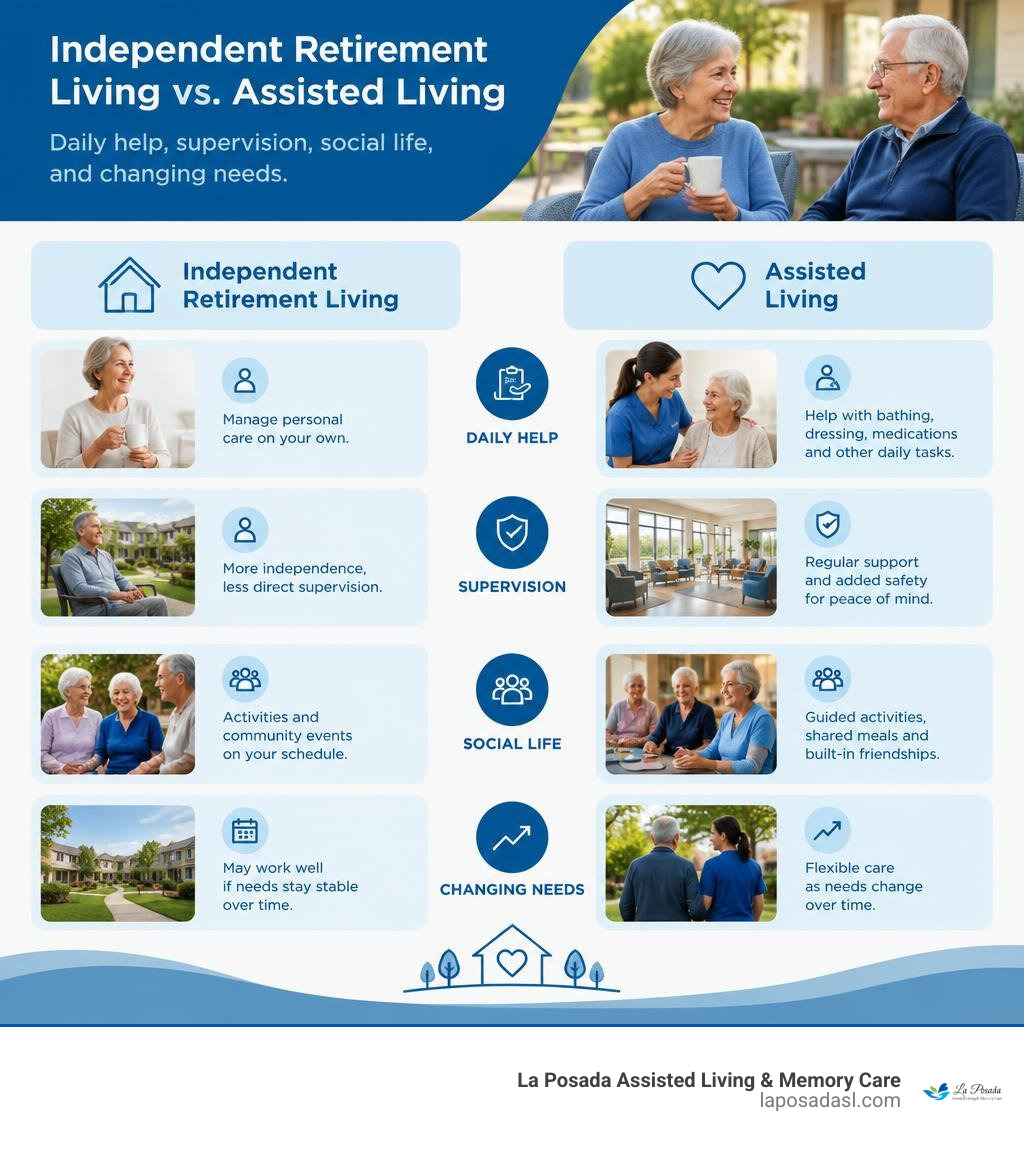
Assisted living retirement homes offer housing, meals, social activities, and help with daily tasks. Independent retirement communities offer housing and activities but are better suited to people who can manage personal care on their own. If your parent needs regular help with bathing, dressing, or medications, assisted living may be the better fit.
The choice is about more than what your parent needs today. Think about their safety, how much support family can provide, and whether their care needs are changing. This guide will help you compare the options and ask better questions as you search.
Understanding Assisted Living Retirement Homes: Care Levels and Housing Features
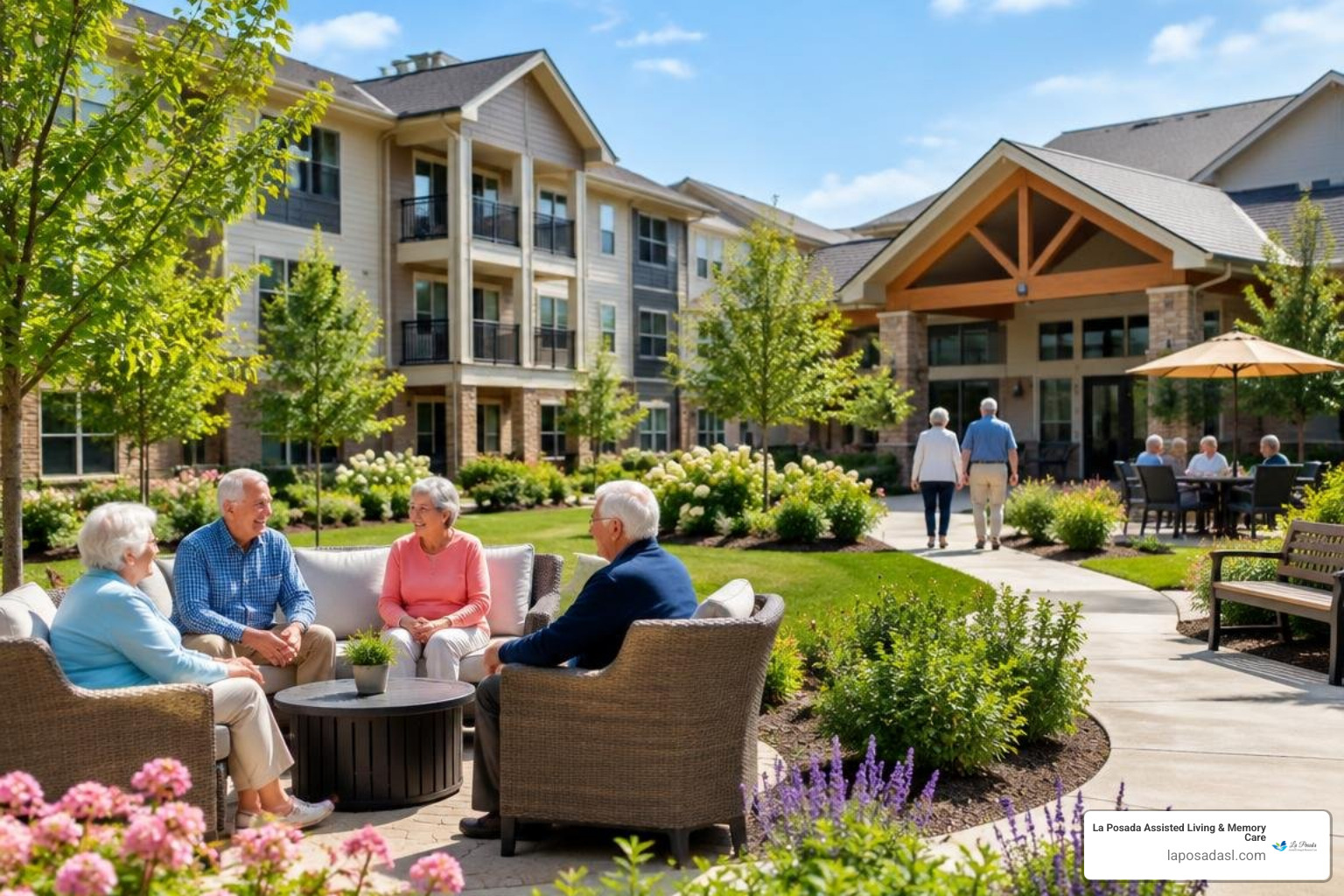
When exploring senior housing, it is easy to get overwhelmed by industry terms. Many families use terms like "retirement home," "assisted living," and "rest home" interchangeably, yet they represent distinctly different living arrangements and care levels.
In general, independent retirement homes focus on lifestyle convenience—eliminating home maintenance, yard care, and cooking while offering vibrant community events. In contrast, assisted living bridges the gap between independent living and 24-hour skilled nursing care.
In California, these communities are formally designated as Residential Care Facilities for the Elderly (RCFEs). Regulated by state guidelines, RCFEs provide 24-hour non-medical care, personal supervision, and assistance with activities of daily living (ADLs) for adults aged 60 and older, as well as younger adults with compatible care needs. You can learn more about these regulatory designations through state resources such as Assisted Living Facilities - Care Options and national overviews from the National Institute on Aging.
Communities vary widely in physical scale. Assisted living communities typically range in size from 25 to more than 100 residents, while smaller residential care homes (often called board and care homes) typically support 6 to 20 residents within residential neighborhood houses.
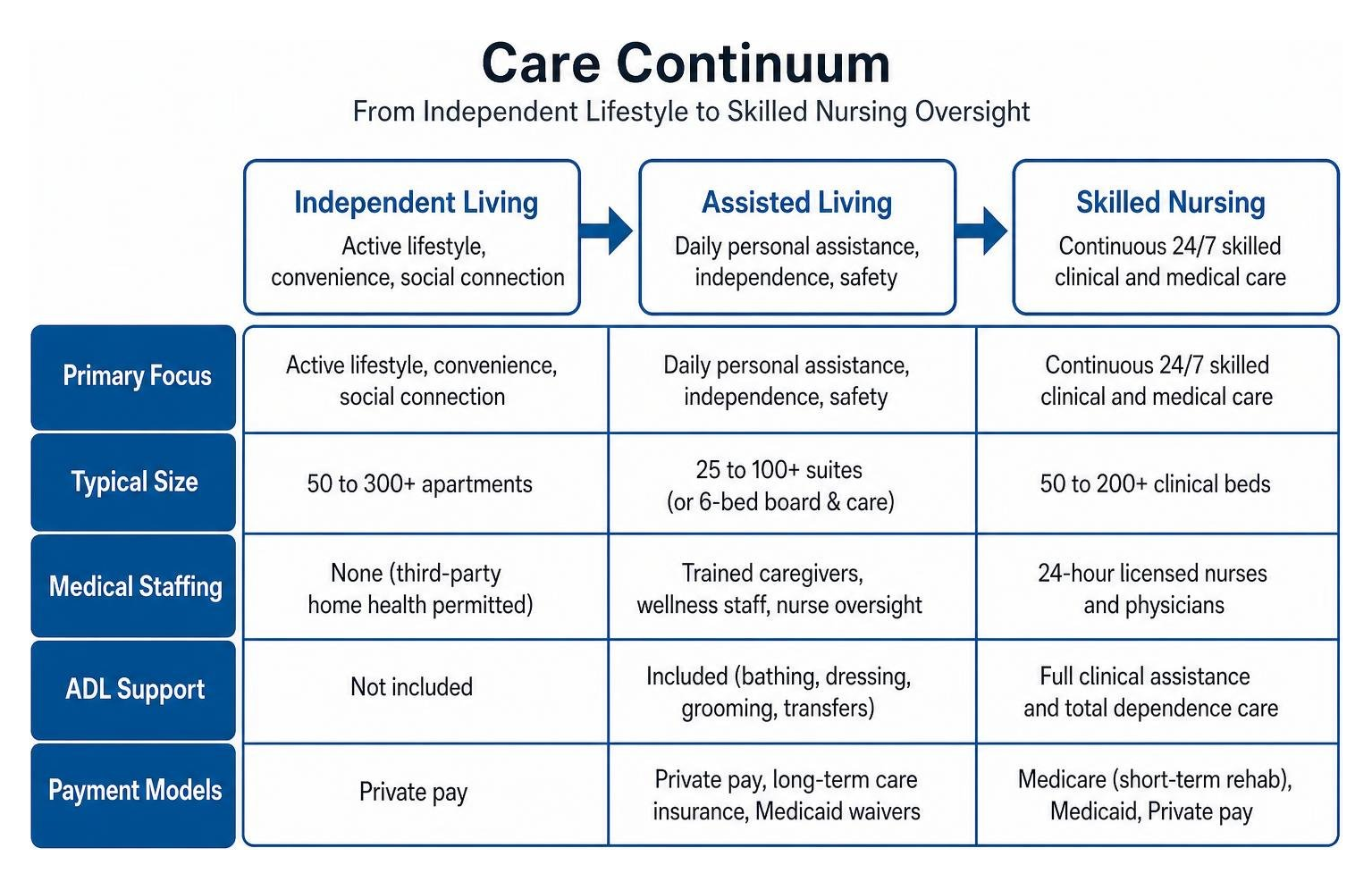
| Feature / Care Level | Independent Retirement Communities | Assisted Living (RCFEs) | Skilled Nursing Facilities (Nursing Homes) |
|---|---|---|---|
| Primary Focus | Active lifestyle, convenience, social connection | Daily personal assistance, independence, safety | Continuous 24/7 skilled clinical and medical care |
| Typical Size | 50 to 300+ apartments | 25 to 100+ suites (or 6-bed board & care) | 50 to 200+ clinical beds |
| Medical Staffing | None (third-party home health permitted) | Trained caregivers, wellness staff, nurse oversight | 24-hour licensed nurses and physicians |
| ADL Support | Not included | Included (bathing, dressing, grooming, transfers) | Full clinical assistance and total dependence care |
| Payment Models | Private pay | Private pay, long-term care insurance, Medicaid waivers | Medicare (short-term rehab), Medicaid, Private pay |
Housing Features and Care Continuity in Assisted Living
Senior living environments are designed to balance private personal space with active communal gathering areas. Residents typically choose between private studios, one-bedroom apartments, or companion suites. These living spaces feature accessible floor plans, step-in showers with safety grab bars, emergency pull cords, and kitchenettes.
Another senior living model is the Continuing Care Retirement Community (CCRC). CCRCs house independent living, assisted living, and skilled nursing all on a single campus. However, CCRCs usually require substantial upfront entrance fees alongside ongoing monthly maintenance charges. Dedicated assisted living residences operate on rental models without hefty entrance fees, allowing families to adapt more flexibly as personal priorities change.
At La Posada Assisted Living & Memory Care, we believe that an environment designed with warm common rooms, secure landscaped courtyards, and home-cooked communal dining helps residents feel immediately grounded and connected.
Core Services Provided in Assisted Living Retirement Homes
Assisted living balances privacy with round-the-clock support. Services are tailored to each resident's care assessment and generally include:
- Assistance with ADLs: Respectful, hands-on support for bathing, dressing, grooming, personal hygiene, and mobility transfers.
- Medication Management: Trained staff ensure medications are ordered, organized, and taken at the correct times and dosages.
- Nutritious Dining: Three chef-prepared daily meals accommodating dietary needs (such as low-sodium or diabetic diets), alongside snacks and hydration tracking.
- Housekeeping & Laundry: Regular linen service, personal laundry, and room cleaning.
- Life Enrichment & Social Programs: Daily activities, fitness classes, arts and crafts, musical entertainment, and outings.
- Safety and Wellness Oversight: 24-hour on-site staffing, emergency call systems, and ongoing health monitoring.
Understanding Medical and Personal Care Needs
A frequent point of confusion for families is the difference between non-medical personal care and skilled nursing care.
Assisted living staff deliver non-medical personal assistance, safety oversight, and wellness support. They do not provide continuous intensive medical interventions such as ventilators or complex intravenous therapy. However, assisted living teams coordinate with external healthcare professionals—including physical therapists, visiting physicians, and home health agencies—allowing residents to receive targeted medical services in their private apartments.
Assessing Your Needs: When to Transition to Daily Care

Recognizing when an aging parent needs daily care can be difficult. Changes often occur gradually, making it easy to overlook early signs of physical or cognitive decline until an emergency happens.
Evaluating Activities of Daily Living and Cognitive Health
When determining if it is time to move beyond independent living, evaluate your loved one's ability to handle two types of daily functions: Activities of Daily Living (ADLs) and Instrumental Activities of Daily Living (IADLs).
- Core ADLs: Can your parent safely bathe, get dressed, groom themselves, navigate steps, get in and out of chairs, and manage continence?
- Instrumental ADLs: Are bills piling up unopened? Is the pantry filled with expired food? Are prescription refills missed or mixed up?
- Cognitive & Safety Indicators: Watch for signs of forgetfulness, confusion with familiar tasks, wandering behaviors, or leaving kitchen appliances unattended.
- Physical Weight & Mobility Changes: Noticeable weight loss, balance issues, or unexplained bruises from unacknowledged falls often signal that living alone is no longer safe.
Exploring Family Support
Family caregivers are often dedicated, but providing comprehensive daily support can become exhausting over time. When caregiving responsibilities start to strain family relationships or compromise work and personal health, burnout can set in quickly.
If you are currently caring for a loved one at home and need temporary relief, utilizing respite care provides short-term residential support. Respite stays give family caregivers time to rest while introducing seniors to community life. When regular daily routines at home become unsafe, transitioning to a dedicated community restores peace of mind for the entire family.
Financial Planning: Costs, Insurance, and Veterans Benefits
Understanding the financial aspects of senior living helps families make informed, long-term decisions. Because assisted living covers housing, utilities, maintenance, food, and personalized daily care, fee structures reflect this comprehensive support.
Pricing structures generally consist of a base monthly fee for the apartment and basic hospitality amenities, combined with tiered or point-based fees reflecting the resident's specific level of personal care.
Out-of-Pocket Costs, Medicare Limitations, and Medicaid Waivers
A common misconception among families is that Medicare pays for assisted living.
- Medicare Exclusions: Medicare is federal health insurance covering acute medical care, doctor visits, hospitalizations, and short-term post-acute rehabilitation in skilled nursing facilities. It does not pay for long-term residential room, board, or non-medical personal care in assisted living.
- Private Pay & Insurance: Most families pay for assisted living using private funds, pension income, retirement savings, home sale proceeds, or private long-term care insurance policies. Long-term care insurance policies frequently cover a daily or monthly benefit toward assisted living once a policyholder requires assistance with two or more ADLs.
- Medicaid & State Waivers: While standard Medicaid does not pay room and board, some states offer Home and Community-Based Services (HCBS) waivers—such as the Assisted Living Waiver (ALW) in California—which may subsidize specific personal care service costs for income-qualified seniors.
VA Long-Term Care Benefits and Aid and Attendance Support
Veterans and their surviving spouses have access to valuable long-term care support through the U.S. Department of Veterans Affairs (VA).
While the VA does not directly operate private assisted living facilities, veterans enrolled in VA healthcare can use their clinical benefits for visiting medical providers, physical therapy, and home health services.
Additionally, wartime veterans and surviving spouses facing daily care needs may qualify for the VA Aid and Attendance pension benefit. This program provides a supplemental monthly tax-free payment added to the standard VA pension, helping offset the out-of-pocket costs of residential assisted living or memory care. You can also explore national care networks through resources like RetirementHomes.com.
How to Tour, Evaluate, and Select the Right Facility
Finding the right community requires thorough research and in-person tours. While glossy brochures highlight decor and landscaping, the true quality of a community lies in its staff interactions, cleanliness, meal quality, and overall warmth. To help broaden your local search, you can consult directories such as this comprehensive senior care directory.
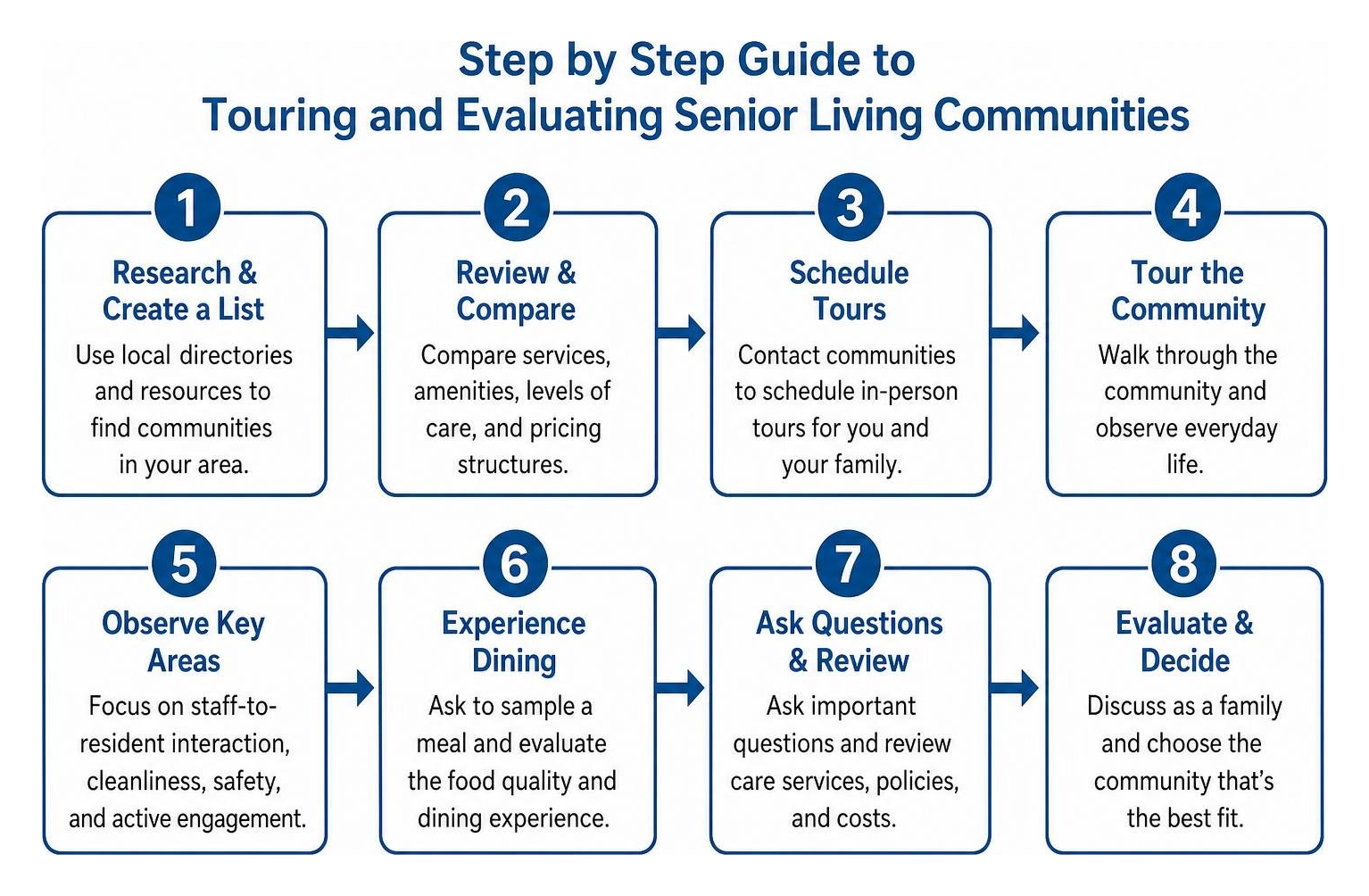
When touring, observe everyday moments:
- Staff-to-Resident Interaction: Are caregivers attentive, patient, and warm? Do they greet residents by name?
- Dining Experience: Ask to sample a meal. Is the food flavorful, fresh, and visually appealing?
- Cleanliness and Safety: Is the facility clean, well-lit, and free of unpleasant odors? Are hallways equipped with sturdy handrails?
- Active Engagement: Look at the community calendar and observe scheduled programs. Are residents actively participating and conversing?
Licensing Compliance, Inspection Reports, and Referral Agency Transparency
Before signing an agreement, verify the community's state regulatory standing. In California, the California Department of Social Services (CDSS) Community Care Licensing Division conducts regular unannounced inspections and maintains public records of citations, complaints, and compliance histories.
Be aware of how third-party senior placement agencies operate. Many national placement sites and directories work on a commission model, recommending only the facilities with which they have paid contracts. Families should conduct independent research and ask referral advisors whether they work on commission.
Resident Rights, Advocacy, and the Long-Term Care Ombudsman
Every resident in an assisted living community has legally protected rights. These include the right to dignity, personal privacy, freedom from discrimination, choice in daily routines, confidentiality regarding medical records, and clear information about fees and care plans.
The Long-Term Care (LTC) Ombudsman Program provides an independent consumer advocacy service for residents. Ombudsmen are state-certified representatives who regularly visit licensed facilities, inform residents of their rights, and help resolve care concerns. In California, families and residents can access advocacy assistance through the statewide 24-hour CRISISline at 1-800-231-4024. For national eldercare navigation support outside the state, the national Eldercare Locator is available at 1-800-677-1116.
Supporting a Smooth Transition and Specialized Care Needs
Moving into a senior living community is an emotional milestone. Seniors may grieve the loss of their longtime family home, while adult children frequently experience caregiver guilt. Acknowledging these feelings and approaching the transition with patience makes a significant difference.
Transition Strategies and Emotional Support for Families
- Personalize the Living Space: Bring familiar furniture, favorite bedspreads, framed family photographs, and cherished artwork to make the new apartment feel like home.
- Maintain Consistent Communication: Coordinate with the wellness director and care staff prior to move-in day to review daily preferences, morning routines, and favorite meals.
- Establish a Visiting Cadence: Regular visits during the first few weeks reassure your loved one, while also giving them space to join dining tables and meet neighbors.
- Involve Social Support: Encourage family members and old friends to send cards, make phone calls, and visit.
Dementia Programming, Memory Care, and Hospice Coordination
When cognitive decline progresses beyond standard assisted living support, specialized memory care environments provide enhanced security and specialized programming. Memory care neighborhoods feature secure layouts to prevent wandering, sensory engagement routines, structured daily schedules, and staff trained in gentle validation techniques.
Additionally, many families wonder if a loved one will be forced to move if they develop a terminal illness. In California, RCFEs can retain residents receiving end-of-life palliative support through an approved hospice care waiver from the CDSS. By partnering with a licensed third-party hospice agency, our care team ensures that residents receive compassionate, dignified comfort care right in their familiar apartment surroundings.
If you are exploring care options in Southern California, we invite you to learn about our compassionate assisted living services in Whittier, where our family-owned philosophy emphasizes holistic wellness for the body, mind, and spirit.
Frequently Asked Questions About Senior Living Options
What care needs are best supported by assisted living?
Assisted living is ideal for older adults who want to maintain their independence but need consistent daily help with activities like bathing, dressing, grooming, mobility, and medication reminders. It is well-suited for seniors who feel isolated living alone or whose families can no longer safely manage their daily care routines at home.
Does Medicare or Medicaid pay for assisted living costs?
Medicare does not cover the room, board, or personal care costs associated with assisted living; it only covers medically necessary clinical services such as physician visits, therapies, and hospital care. Medicaid coverage varies by state; some states provide partial reimbursement for care services via Home and Community-Based Services (HCBS) or Assisted Living Waivers for eligible individuals, though private pay remains the primary payment method.
Can residents receive hospice care while residing in an assisted living facility?
Yes. In California, licensed RCFEs with department-approved hospice waivers can partner with licensed third-party hospice agencies. This allows residents to receive comprehensive palliative and end-of-life comfort care while remaining in their familiar community setting surrounded by dedicated caregivers.
Conclusion
Choosing between independent retirement living and assisted living comes down to balancing autonomy with the right amount of daily care. While independent communities offer social opportunities, assisted living provides the daily personal assistance, medication oversight, and peace of mind that allow seniors to thrive safely.
At La Posada Assisted Living & Memory Care in Whittier, CA, our family-owned community is dedicated to providing compassionate, 24-hour care tailored to each individual. We invite you to contact our team, ask questions, and discover how our community supports your loved one's independence and wellbeing.