

How to Find the Best Nursing Home for Your Parent
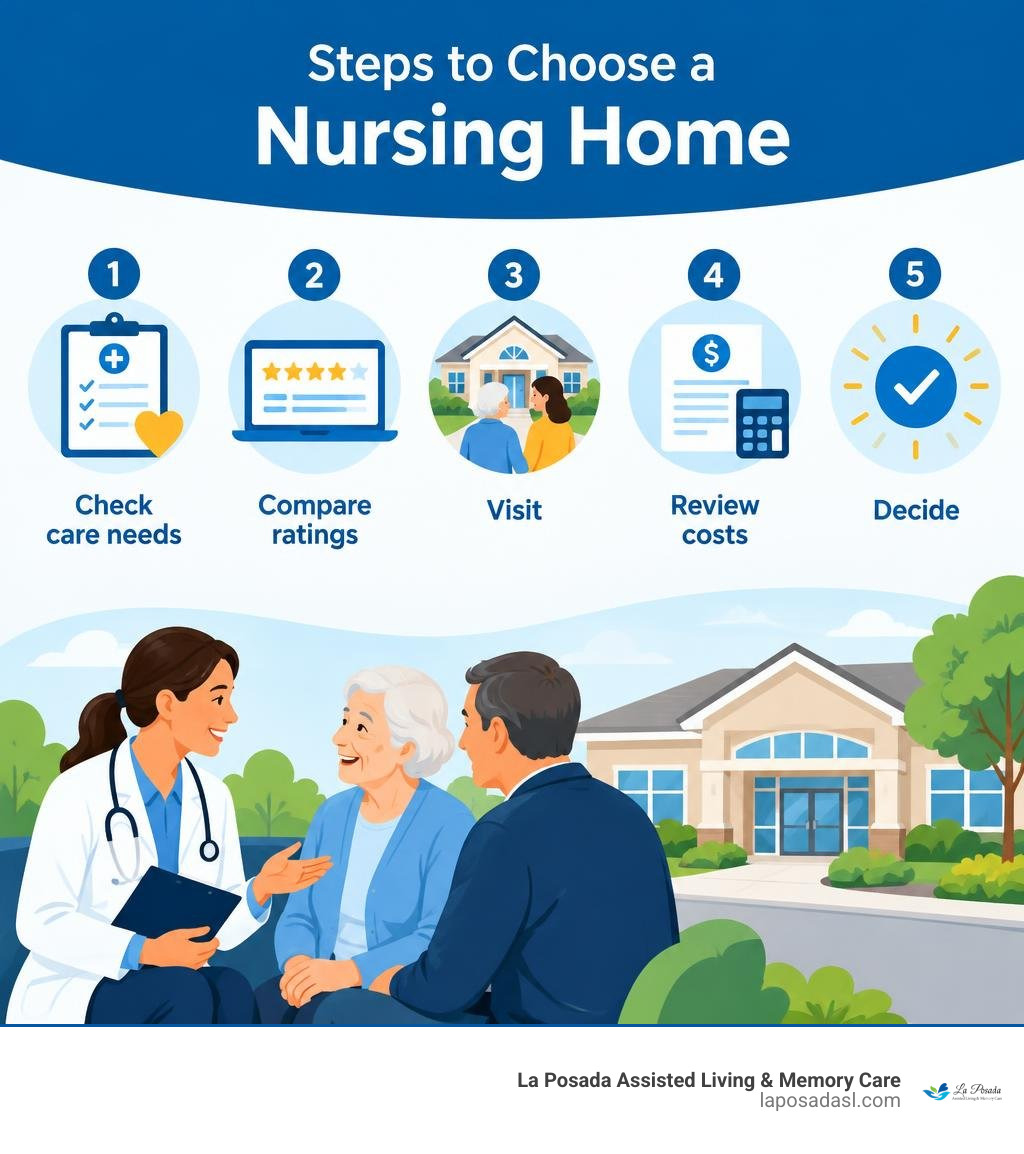
The best nursing home is one that can meet your parent's care needs and has a strong safety record. Start by checking Medicare's Care Compare ratings for inspections, staffing, and quality. Then shortlist facilities that provide the right type of care, visit more than once, and ask about costs before signing a contract. A high rating matters, but so does what you see when staff interact with residents.
Understanding Care Levels: Short-Term Rehab vs. Long-Term Skilled Nursing
Navigating the healthcare system often feels like learning an entirely new language while balancing emotional stress. When exploring skilled nursing options, the first critical distinction we must make is between short-term post-acute rehabilitation and ongoing, long-term skilled nursing care.
While both services operate within skilled nursing facilities (SNFs), their clinical objectives, daily programming, and duration of stay differ significantly. Identifying the right care level ensures your family member receives targeted interventions without paying for unnecessary clinical services or, conversely, facing care gaps.

| Care Feature | Short-Term Rehabilitation | Long-Term Skilled Nursing |
|---|---|---|
| Primary Goal | Recovery, functional restoration, discharge home | Chronic disease management, stability, comfort |
| Typical Stay Length | Days to a few weeks (capped up to 100 days) | Months to years (ongoing residential care) |
| Core Services | Intensive physical, occupational, and speech therapy | 24/7 nursing oversight, assistance with ADLs, medication |
| Primary Payer | Medicare Part A, private health insurance, MA plans | Medicaid, long-term care insurance, private funds |
| Physician Visits | Frequent post-surgical or post-acute monitoring | Regular ongoing clinical checkups and oversight |
Evaluating Short-Term Rehabilitation Needs
Short-term rehabilitation focuses on intensive recovery following an acute medical event, such as a joint replacement, stroke, cardiac incident, or serious fracture. The primary objective is to restore independence so the individual can safely transition back home or to an assisted living setting.
In high-performing rehabilitation wings, multidisciplinary teams craft intensive therapy schedules tailored to individual recovery milestones:
- Physical Therapy (PT): Rebuilding gross motor skills, leg strength, balance, and safe transfer techniques. Top-performing facilities provide on average 80% more physical therapy per resident per day than the national average.
- Occupational Therapy (OT): Restoring fine motor function and daily living tasks such as dressing, bathing, and meal preparation.
- Speech-Language Pathology (ST): Addressing swallowing disorders (dysphagia), speech clarity, and cognitive-communication challenges following neurological trauma.
Data reveals that rehab patients at the highest-performing skilled nursing facilities experience a 33% lower rate of emergency room visits compared to national averages, highlighting the tangible benefits of choosing an elite rehabilitation provider.
Evaluating Long-Term Skilled Nursing and Custodial Care
Long-term skilled care serves individuals with permanent cognitive or physical limitations requiring continuous medical monitoring and assistance with activities of daily living (ADLs). Unlike short-term rehab, the goal here is not necessarily rapid discharge, but maximizing dignity, functional stability, and quality of life.
Skilled medical oversight is necessary for complex conditions such as:
- Advanced congestive heart failure, respiratory conditions, or renal failure requiring clinical monitoring.
- Wound care for complex surgical sites or advanced pressure injuries.
- Intravenous (IV) therapy, feeding tube management, or tracheostomy care.
- Advanced neurological conditions requiring comprehensive nursing interventions and transfers.
Long-term custodial care helps residents manage chronic illnesses, maintain physical comfort, and avoid unnecessary trips to the emergency department. Top-rated nursing homes achieve an average of 15% fewer hospitalizations for long-term residents compared to national benchmarks.
Key Factors That Define the Best Nursing Home
Identifying premier care centers requires looking beyond decorative lobbies and glossy brochures. Clinical outcomes, transparent leadership, and consistent staffing form the backbone of true quality.

Decoding Ratings and Rankings for the Best Nursing Home Candidates
To assess overall performance, families can evaluate national benchmarks established by the Centers for Medicare & Medicaid Services (CMS), as well as annual evaluations by leading independent analysts.
In nationwide assessments, analysts evaluate data from nearly 15,000 nursing homes across the country. In premier national rankings, approximately 1,200 top-performing nursing homes earn recognition across 33 states for outstanding clinical performance and health inspection records.
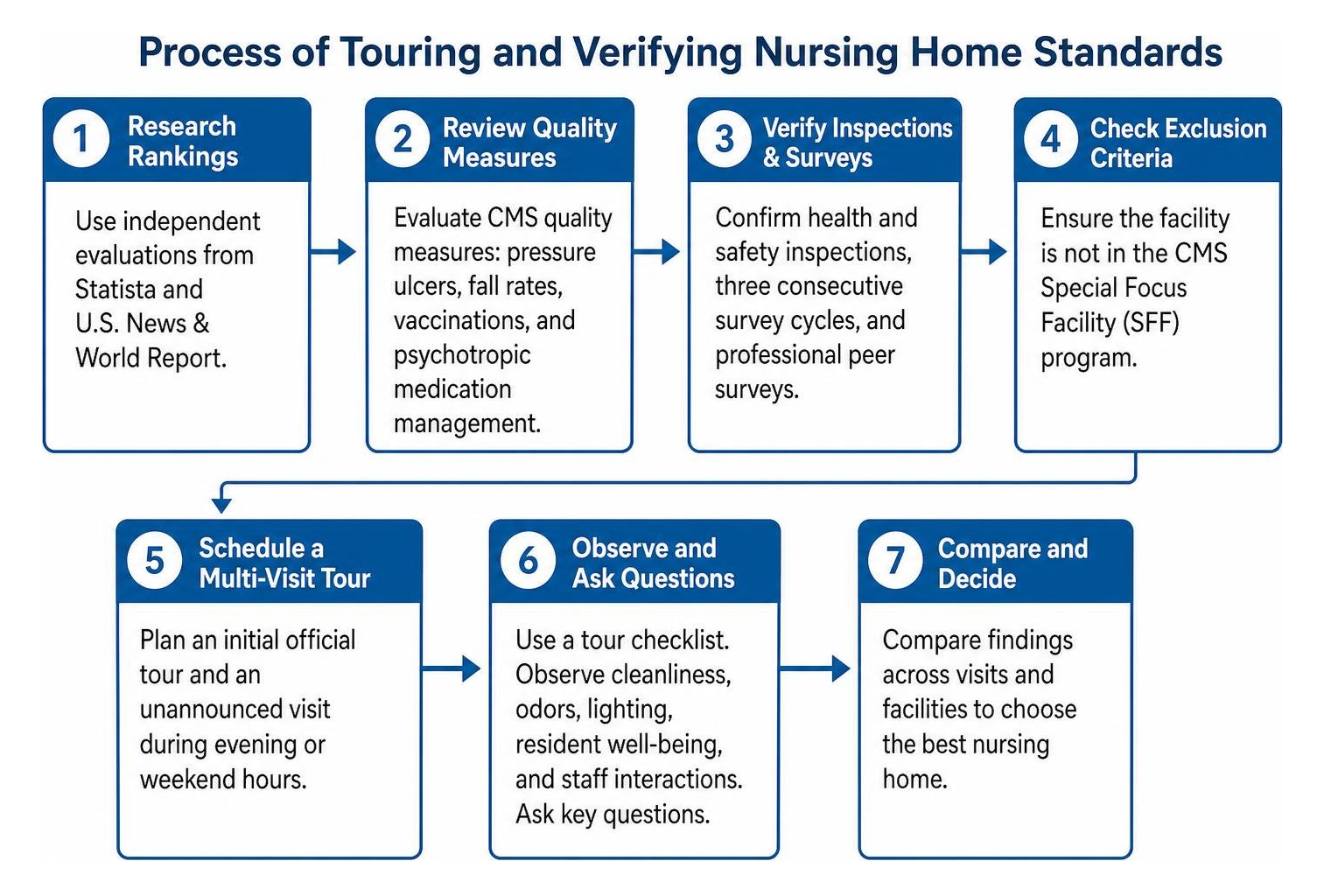
Independent evaluators, such as Statista and U.S. News & World Report, utilize multifaceted methodologies:
- CMS Quality Measures: Tracking clinical indicators such as pressure ulcer incidence, fall rates, vaccination coverage, and psychotropic medication management.
- Health and Safety Inspections: On-site inspections evaluating infection control, kitchen sanitation, life safety codes, and building security over three consecutive survey cycles.
- Professional Peer Surveys: Input from thousands of physicians, registered nurses, and healthcare administrators assessing institutional reputations.
- Exclusion Thresholds: Disqualifying facilities enrolled in the CMS Special Focus Facility (SFF) program due to persistent regulatory issues.
Analyzing Staffing Ratios and Patient Health Outcomes
Direct nursing care hours represent one of the most reliable predictors of resident safety. High-performing facilities invest heavily in registered nurses (RNs), licensed practical nurses (LPNs), and certified nursing assistants (CNAs).
U.S. News Best Nursing Homes provide on average 20% more total staffing per resident per day compared to the national average. When evaluating prospective communities, investigate direct care metrics closely:
- RN Coverage: Around-the-clock registered nurse presence ensures rapid clinical triage during acute medical declines.
- Staff Turnover: Low employee turnover reflects a supportive workplace culture, ensuring continuity of care and strong resident-caregiver relationships.
- Physical Therapy Hours: Ample therapy staffing ensures residents receive restorative care to prevent muscle atrophy and maintain mobility.
Impact of Facility Bed Size: Small, Medium, and Large Communities
Facility size influences daily operations, community culture, and resource distribution. National ranking frameworks categorize facilities into three primary groups:
- Small Facilities (50–99 beds): These intimate communities often excel at personalized, homelike care. Staff members know residents intimately, though physical amenities and on-site specialized equipment may be more modest.
- Medium Facilities (100–149 beds): Offering a balance between personalized care and broader clinical resources, mid-sized facilities with 100-149 beds often provide dedicated memory care wings and comprehensive short-term rehabilitation spaces.
- Large Facilities (150+ beds): Often operating within Continuing Care Retirement Communities (CCRCs), large facilities with 150+ beds typically boast extensive physician networks, advanced therapy suites, and specialized clinical programming, though navigating large campuses requires good mobility or dedicated transport.
Step-by-Step Guide to Touring and Evaluating Facilities
Selecting a skilled nursing facility requires on-site observation. We recommend a multi-visit strategy: schedule an initial official tour, followed by an unannounced visit during evening or weekend hours when executive management is off-duty.
Essential Tour Checklist and Key Questions to Ask
During your physical walkthrough, look past aesthetic finishes and focus on resident well-being and environmental hygiene:
- Sensory Observations: Is the community fresh and odor-free? Are common areas well-lit, clean, and free of clutter?
- Staff Engagement: Do caregivers address residents by name with respect, patience, and warmth? Are call lights answered promptly?
- Resident Appearance: Are residents clean, well-groomed, and dressed in daytime clothing?
- Dining and Nutrition: Review daily menus. Are meals visually appetizing, nutritionally balanced, and tailored to therapeutic dietary requirements?
- Social and Spiritual Engagement: Is there an active calendar of events, musical performances, and outdoor garden activities?
- Resident and Family Councils: High-quality facilities support active resident and family councils that meet regularly to voice feedback and shape community policies.
- Physician Oversight: How often does the medical director or attending physician visit the community in person?
Verifying Safety Records and State Inspection Reports
Federal and state agencies maintain strict oversight over licensed skilled nursing homes. Before making a final decision, consult official regulatory databases:
- Medicare Care Compare: Review the facility's overall 5-star rating, health inspection citations, and quality metrics over the past 36 months.
- State Department of Public Health: Examine specific survey reports, substantiated complaint investigations, and life safety violations.
- Long-Term Care Ombudsman: Contact your local ombudsman—an independent advocate who resolves resident grievances and provides unbiased insights into facility compliance.
For families who find that 24/7 hospital-style medical intervention is unnecessary, exploring personalized assisted living options offers an enriching alternative centered on social engagement, dignified personal support, and holistic wellness.
Financing Care and Transitioning Your Loved One
Understanding the financial landscape and operational logistics of skilled nursing helps prevent unexpected expenses and ensures a smoother emotional transition for your loved one.
Comparing Costs and Payment Options at the Best Nursing Home
Financing skilled nursing care involves various private and public funding mechanisms, each with distinct coverage rules:
- Medicare Part A Coverage: Medicare covers post-acute skilled nursing care on a short-term basis following a qualifying three-day inpatient hospital stay. Coverage pays 100% for days 1 through 20. For days 21 through 100, residents pay a daily copayment. Medicare provides zero coverage for custodial long-term care beyond 100 days.
- Medicaid: The largest payer of long-term custodial nursing home care nationwide. Eligibility requires meeting strict state-specific income and asset thresholds. Dual-eligible individuals can combine Medicare and Medicaid to cover clinical and residential costs.
- Private Long-Term Care Insurance: Comprehensive policies cover daily room-and-board rates up to pre-established policy benefit maximums.
- Private Pay: Personal retirement savings, pensions, and home equity conversions frequently bridge the gap when individuals do not qualify for Medicaid.
Managing the Transition and Move-In Process
Moving into a residential care community represents a major life milestone. Following a structured transition plan minimizes stress:
- Comprehensive Clinical Assessment: Ensure all medical records, prescription histories, physician orders, and allergy profiles transfer seamlessly to the facility's clinical team.
- Personalizing the Living Space: Bring familiar quilts, framed family photographs, favorite books, and comfortable furnishings to make the new room feel like home immediately.
- Care Plan Conferences: Attend the initial multi-disciplinary care planning meeting within the first two weeks to align on physical therapy goals, dietary preferences, and personal routines.
- Frequent Initial Visits: Visit consistently during the first month to provide reassurance, meet key charge nurses, and monitor your loved one's adjustment.
Frequently Asked Questions About Nursing Home Care
Does Medicare pay for long-term nursing home stays?
No. Medicare covers only short-term skilled care or rehabilitation up to a maximum of 100 days per benefit period following a qualifying hospital stay. Medicare does not pay for non-skilled custodial care, which includes long-term assistance with dressing, bathing, eating, and general residential supervision.
What is the difference between a nursing home and assisted living?
Nursing homes (skilled nursing facilities) offer comprehensive, 24-hour medical supervision, complex clinical interventions, and on-site therapy for individuals with severe chronic medical conditions or acute rehabilitation needs.
Assisted living communities provide a residential, social model of care for seniors who require help with daily routines—such as medication administration, personal hygiene, and meal prep—without needing continuous hospital-level clinical monitoring.
How can families verify resident safety and quality standards?
Families can verify safety and clinical standards by searching the federal Medicare Care Compare database, reviewing past state health inspection surveys, checking for active resident and family councils, and consulting the local Long-Term Care Ombudsman.
Conclusion
Finding the ideal care setting requires balancing clinical rigor, compassionate staffing, and comfortable surroundings. By analyzing national quality ratings, reviewing inspection reports, and touring facilities in person, you can make an informed choice that ensures your loved one receives safe, reliable care.
At La Posada Assisted Living & Memory Care in Whittier, CA, we understand that every individual's journey is unique. As a family-owned community, we provide compassionate, personalized 24-hour care, memory support, and respite services within a warm, community-focused environment. We invite you to connect with our team to discover how our holistic care plans support wellness for the whole person—body, mind, and spirit.