

Finding the Right Memory Care Services
Memory care services help people with dementia stay safe, manage daily needs, and remain socially engaged. Support can start with help at home, adult day programs, or respite care. When a person needs supervision around the clock, a residential memory care community may be a better fit.
Start by noting where your parent needs help: medication, meals, personal care, safety, or time with others. Then ask their health care provider about a cognitive evaluation. Use that information to compare care options and make a plan that supports both your parent and the people caring for them.
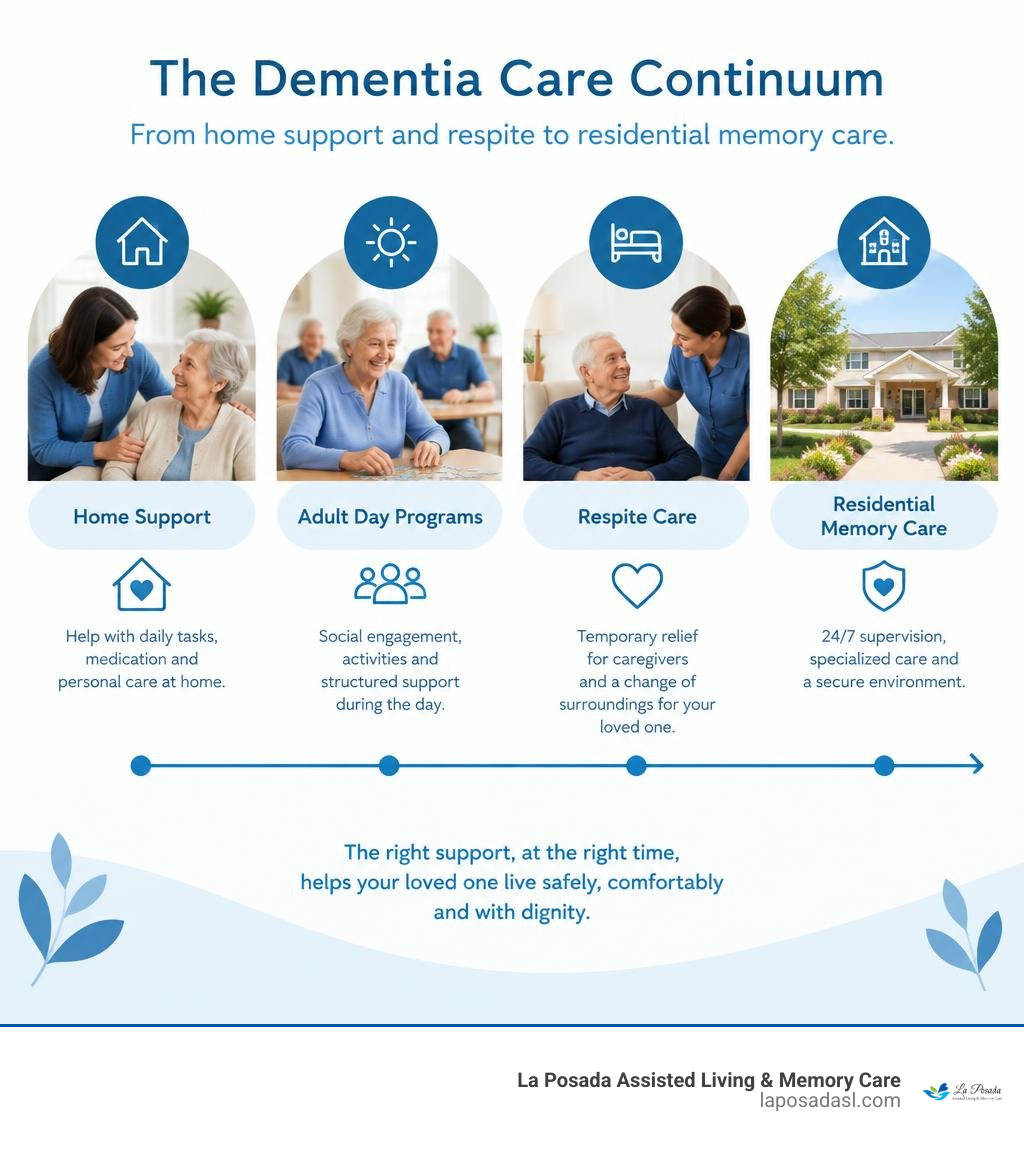
The Spectrum of Memory Care Services: Levels of Support
Navigating cognitive changes in someone you love is rarely a straight path. Dementia affects everyone differently, and the level of assistance required naturally shifts over time. Understanding the full continuum of care ensures that your loved one receives the exact support they need while preserving as much independence, dignity, and joy as possible.
Support typically begins with early-stage lifestyle modifications and in-home help. As symptoms progress, families often integrate community-based daytime programs, temporary short-term stays, and eventually dedicated residential environments. Matching care to your loved one’s specific cognitive stage prevents both under-support (which causes safety hazards) and over-support (which can unnecessarily limit personal autonomy).
Evaluating Personalized Memory Care and Respite Services
In the early to moderate stages of memory loss, staying at home remains a primary goal for many families. However, continuous caregiving quickly becomes physically and emotionally demanding. This is where personalized memory support and short-term respite care play a crucial role.
Respite services provide short-term relief, allowing primary caregivers to rest, manage personal commitments, or simply recharge. Whether for a few days or a couple of weeks, structured respite programs offer older adults a secure, engaging environment with 24-hour supervision, nutritious meals, and purposeful activities.
Personalized care plans focus on the whole person—nurturing the body, mind, and spirit. Rather than applying a one-size-fits-all approach, high-quality care aligns daily routines with an individual's personal history, hobbies, and emotional needs.
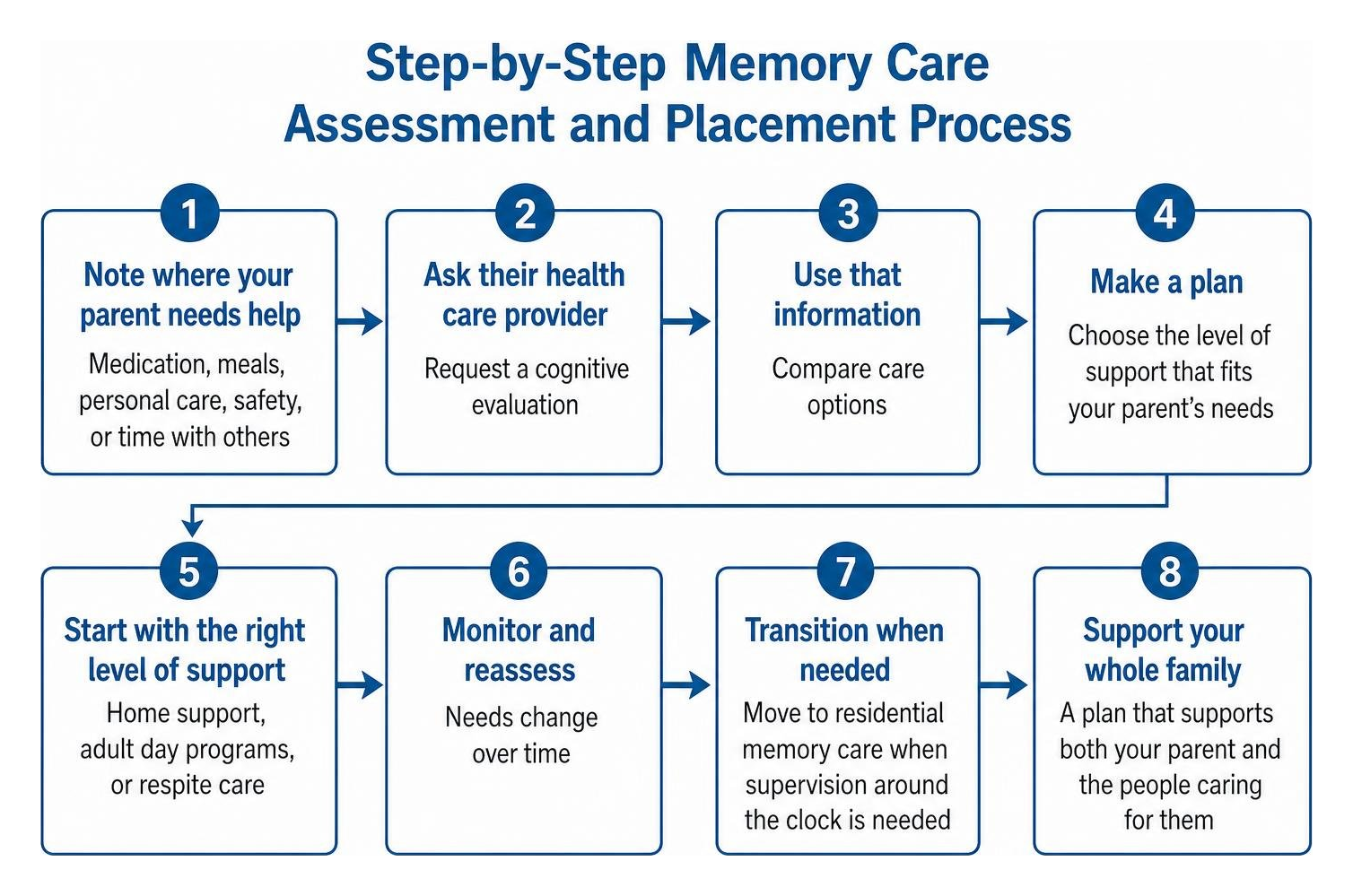
When to Transition to Dedicated Residential Memory Care Services

There comes a point for many families when managing memory loss at home is no longer sustainable or safe. Recognizing the signs that indicate it is time to transition helps protect your loved one’s physical health and emotional wellbeing.
Key indicators that dedicated residential memory care is needed include:
- Safety concerns and wandering: Exiting the home unsupervised, becoming disoriented in familiar surroundings, or leaving appliances turned on.
- Changes in personal care: Noticeable declines in hygiene, missed medications, or unplanned weight loss.
- Caregiver exhaustion: A primary caregiver experiencing extreme fatigue, declining health, or emotional burnout.
- Social withdrawal: Increased isolation, anxiety, or behavioral changes during late afternoon and evening hours (often referred to as sundowning).
Dedicated residential communities feature secure perimeters, continuous supervision, and specialized architectural designs that minimize confusion. Staff members receive advanced training in dementia communication, behavioral support, and therapeutic recreation.
| Care Setting | Best Suited For | Level of Supervision | Core Services Provided |
|---|---|---|---|
| Assisted Living | Seniors needing help with daily tasks (bathing, dressing, meals) who retain cognitive awareness. | Staff available 24/7 on call; periodic check-ins. | Medication management, meal services, housekeeping, social activities. |
| Dedicated Memory Care | Individuals diagnosed with Alzheimer's, Lewy body, vascular, or frontotemporal dementia. | Continuous 24-hour specialized supervision within secured neighborhoods. | Tailored cognitive programming, sensory therapies, structured daily routines, cueing, behavior redirection. |
| Respite Care | Short-term stays for older adults while family caregivers travel, rest, or handle life events. | 24-hour care matching the guest's specific cognitive and physical needs. | Full access to community amenities, dining, medical administration, and social events. |
If you are exploring long-term residential options tailored to cognitive health, exploring our compassionate memory care neighborhood can help you understand how structured environments foster independence and comfort.
Navigating the Multidisciplinary Care Team and Local Resources

Managing dementia requires a team approach. Connecting with medical specialists and community programs early ensures that medical, emotional, and social needs are consistently met. Families can turn to reliable resources such as Finding Dementia Care and Local Services to locate community assistance, diagnostic centers, and regional support networks.
Building a Comprehensive Support Network
A strong care network combines medical management with everyday practical assistance. Specialized diagnostic programs, such as the Memory Care Program | Conditions & Treatments | URochester Medicine , highlight how a multidisciplinary team provides comprehensive care for neurodegenerative conditions.
Key professionals who contribute to an effective dementia care plan include:
- Geriatricians and Primary Care Physicians: Oversee overall physical health, manage chronic conditions, and review routine medications.
- Neurologists and Geriatric Psychiatrists: Diagnose specific forms of dementia, manage complex neurological symptoms, and address mood or behavioral changes.
- Neuropsychologists: Administer detailed cognitive assessments to measure memory, attention, problem-solving, and decision-making capacity.
- Geriatric Care Managers (Aging Life Care Professionals): Act as guides to evaluate needs, coordinate medical appointments, and arrange home-based support.
- Licensed Clinical Social Workers and Counselors: Offer family therapy, emotional counseling, and guidance on navigating community assistance programs.
Utilizing Community Programs and Government Resources
Beyond clinical settings, numerous community organizations offer programs tailored for aging adults and their caregivers:
- Area Agencies on Aging (AAAs): Local agencies that connect older adults with meal delivery, transportation assistance, caregiver respite vouchers, and legal aid.
- Adult Day Health Centers: Community centers providing social stimulation, structured cognitive exercises, physical therapy, and meals during daytime hours. Many centers offer multilingual programming to support diverse cultural communities.
- Dementia-Friendly Initiatives and Public Libraries: Municipalities and public spaces offering sensory-friendly social hours, educational workshops, and memory cafes.
Financial Planning and Paying for Dementia Care
Understanding the costs associated with memory care allows families to make proactive decisions without added stress during a crisis. Memory care costs vary depending on the level of assistance required, geographic location, and whether care is provided at home or within a specialized residential community.
Public Assistance and Benefit Programs
Long-term memory care is primarily funded through private personal resources, but several public programs and financial tools can help offset costs:
- Medicare Considerations: Standard Medicare covers necessary medical care—including physician evaluations, inpatient hospital stays, diagnostic testing, physical therapy, and short-term skilled nursing care following a qualifying hospital stay. However, it does not cover long-term custodial care (help with bathing, dressing, and 24-hour supervision).
- Medicaid and State Programs: Medicaid covers long-term nursing and memory care for individuals who meet specific income and asset eligibility criteria. Home and Community-Based Services (HCBS) waivers may also fund adult day health services, in-home personal care, and respite care.
- Program of All-Inclusive Care for the Elderly (PACE): For qualifying older adults who meet nursing home level of care criteria, PACE coordinates and provides all medical and supportive services, allowing many individuals to remain in their community setting.
- Benefits-Screening Resources: Tools such as BenefitsCheckUp, provided by the National Council on Aging, and Benefits.gov help families identify federal, state, and local assistance programs for prescription drugs, utility assistance, and caregiving subsidies.
- Long-Term Care Insurance and Veterans Benefits: Private long-term care insurance policies often cover residential memory care and home care assistance. Qualified veterans and their surviving spouses may also be eligible for the VA Aid and Attendance pension benefit to help finance daily care.
Care Coordination and Community-Based Support Programs
Innovative care delivery models continue to expand access to dementia support. For instance, the Centers for Medicare & Medicaid Services (CMS) introduced the Guiding an Improved Dementia Experience (GUIDE) Model. This initiative offers participating families a comprehensive package of supportive services:
- Ongoing care coordination with a designated care navigator.
- 24/7 access to a support line for urgent clinical questions.
- In-depth caregiver training on managing behavioral symptoms and daily care routines.
- Dedicated annual respite care funding to give primary caregivers planned breaks.
Sustaining Caregiver Wellbeing and Preventing Burnout
Caring for someone with memory loss is an act of profound dedication, but it can take a heavy physical and mental toll. Caregiver burnout—marked by chronic fatigue, irritability, sleep disruptions, and feelings of isolation—is common when caregivers attempt to handle every task alone. Protecting your own health is essential for providing effective care to your loved one.
Respite Care and Caregiver Support Groups
Peer support and scheduled relief are vital for maintaining long-term emotional balance:
- Caregiver Support Groups: Joining an in-person or virtual support group connects you with other families facing similar challenges. Sharing experiences, practical tips, and emotional encouragement reduces feelings of isolation.
- Professional Counseling: Working with a therapist or social worker provides a dedicated space to process grief, anxiety, and relationship changes.
- Scheduled Respite: Utilizing adult day centers or short-term residential stays ensures your loved one is safe while you take time to rest, travel, or attend to your own health needs.
Daily Wellness Habits for Family Caregivers:
- Set clear boundaries and accept help when friends or family offer assistance.
- Schedule at least 20 to 30 minutes of personal time each day for exercise, reading, or mindfulness.
- Maintain regular medical and dental appointments for yourself.
- Keep a shared log or digital calendar among family members to distribute caregiving duties fairly.
Frequently Asked Questions About Memory Care Services
What information may be reviewed when planning memory care?
A comprehensive memory care evaluation typically reviews:
- A detailed medical history, including chronic health conditions and past surgeries.
- A full prescription and over-the-counter medication review.
- Cognitive and psychological screenings assessing memory, language, orientation, and mood.
- An assessment of Activities of Daily Living (ADLs), such as bathing, dressing, eating, and mobility.
- An evaluation of personal routines, dietary preferences, cultural traditions, and recreational interests.
How can care coordination programs support people with dementia and their families?
Care coordination programs connect medical providers, community services, and families into a unified team. They provide caregivers with a central point of contact to navigate complex medical systems, adjust care plans as symptoms evolve, arrange transportation or home modifications, and access financial and respite resources.
What is the difference between assisted living and dedicated memory care?
While assisted living provides help with daily tasks in a residential setting, dedicated memory care offers specialized environments and programming tailored for individuals with cognitive decline. This includes secure floor plans to prevent wandering, higher staff-to-resident ratios, sensory-based activities, structured daily routines, and team members trained in dementia-specific communication and behavioral support.
Conclusion
Finding the right support for a loved one with cognitive changes is a journey best approached with early planning, reliable information, and a strong support network. Understanding the spectrum of care—from community respite programs to dedicated residential communities—empowers your family to make confident, compassionate choices that enhance your loved one's safety, dignity, and quality of life.
At La Posada Assisted Living & Memory Care, we provide compassionate, family-owned senior living services in Whittier, CA. Our personalized 24-hour care, holistic programs for the body, mind, and spirit, and welcoming environment ensure that residents and their families feel supported every step of the way. Reach out to our team today to learn how our individualized service plans can support your family's needs.