

How to Find Respite Care Near You
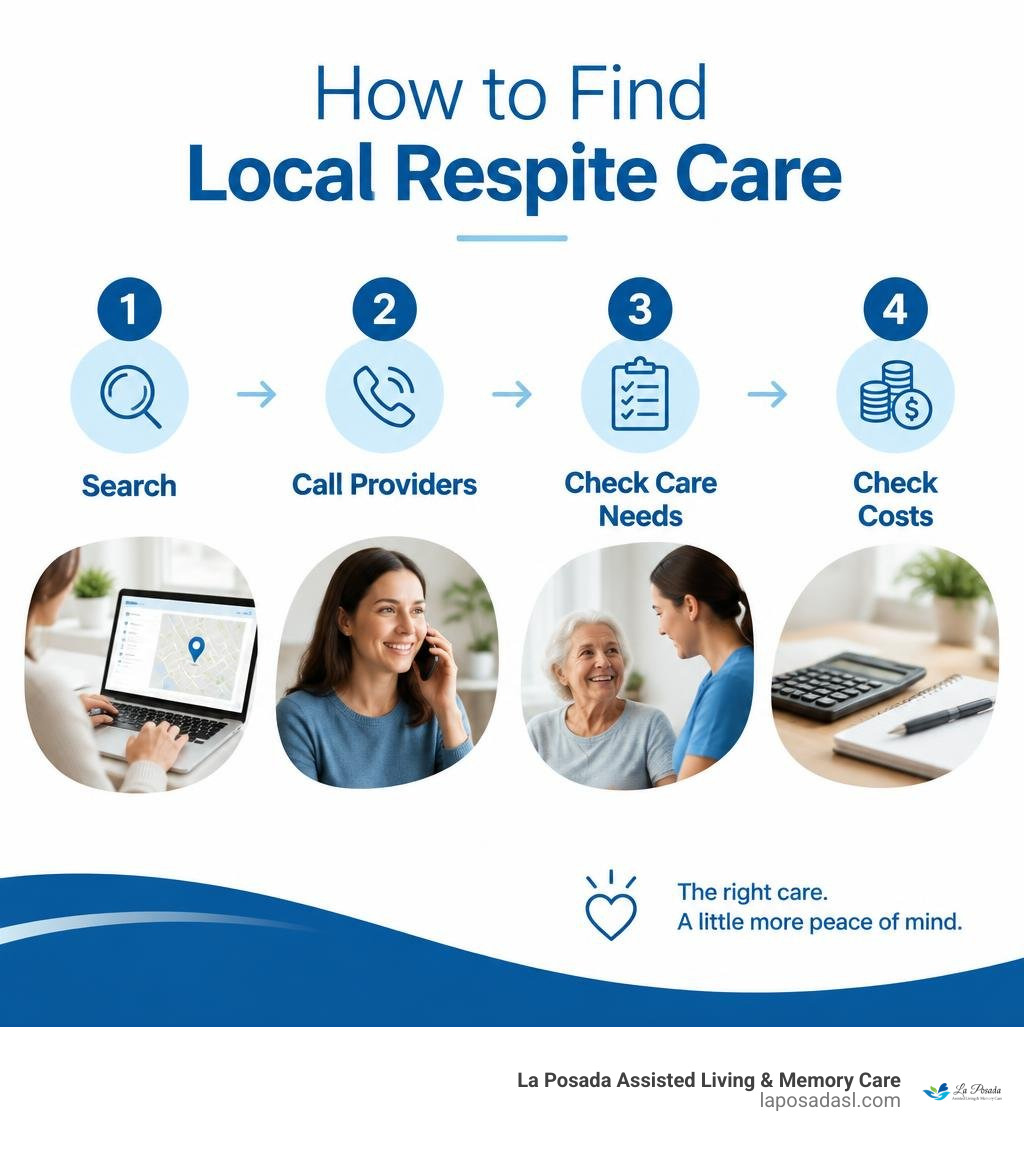
If you're searching for a respite care agency near me, start with the National Respite Locator Service and your local Area Agency on Aging. Ask for providers that serve your area and offer the kind of break you need, whether that's a few hours of help or a short stay. Then call providers to confirm availability, costs, and whether they can meet your parent's supervision, medication, and social needs.
Respite care gives you time to rest while your parent receives care. Planning that break before you're exhausted makes it easier to choose a setting that feels right for both of you.
Understanding Respite Care: What It Is and Who Qualifies
Caring for an aging parent, spouse, or loved one is an act of deep devotion, but even the most dedicated family caregivers need time to recharge. Respite care is designed to provide planned or emergency short-term relief for primary caregivers. It ensures that your loved one continues receiving attentive, safe, and professional support while you take time to attend to personal obligations, rest, manage your own healthcare, or simply take a well-deserved breath.

Rather than a permanent transition, respite is temporary by nature. It can span a few hours on a weekday afternoon, an entire weekend, or several weeks during a family vacation or recovery from an illness. For many families, scheduling regular breaks prevents physical exhaustion, chronic stress, and emotional burnout, making it possible to sustain long-term care at home while maintaining personal wellbeing.
Who Benefits from Short-Term Respite Support?
Respite services cater to a wide range of needs across different age groups and health conditions. Those who commonly qualify and benefit include:
- Family Caregivers: Individuals experiencing burnout, balancing employment alongside caregiving duties, or managing their own medical needs.
- Adults with Alzheimer's Disease and Related Dementias: Individuals who benefit from structured daily routines, cognitive stimulation, and safe, failure-free environments.
- Seniors with Functional Impairments: Older adults requiring assistance with Activities of Daily Living (ADLs) such as dressing, bathing, mobility, meal preparation, and medication reminders.
- Individuals with Chronic Medical Conditions or Disabilities: People living with progressive neurological disorders, post-stroke recovery, or terminal illnesses requiring dedicated supervision.
- Grandparents and Kinship Caregivers: Older adults raising young children or caring for adult relatives with intellectual or developmental disabilities.
Under federal frameworks like the National Family Caregiver Support Program, respite services are widely recognized for caregivers assisting adults aged 60 or older, as well as family members supporting individuals of any age diagnosed with Alzheimer's disease or related neurological disorders.
Types of Relief: In-Home, Facility-Based, and Adult Day Services
Respite care is not one-size-fits-all. Depending on your loved one’s personal preferences, level of dependency, and your schedule, several formats are available:
| Care Model | Setting & Typical Duration | Best Suited For | Key Services Included |
|---|---|---|---|
| In-Home Respite | Private residence; 2 to 24 hours per visit | Loved ones who prefer staying in familiar surroundings | Companionship, meal prep, light housekeeping, bathing, hygiene assistance |
| Residential Short Stays | Senior living community; a few days to several weeks | Caregiver travel, home renovations, or post-hospital recovery | 24-hour staffing, private furnished suites, chef-prepared meals, social activities |
| Adult Day Services | Community-based day center; daytime hours (e.g., 8 AM–5 PM) | Working caregivers needing daytime supervision | Group socialization, cognitive exercises, meals, monitored daytime care |
| Crisis / Emergency Respite | In-home or residential facility; immediate short-term placement | Sudden caregiver illness, family emergencies, or unexpected crises | Rapid intake, immediate supervision, temporary stabilization |
At La Posada Assisted Living & Memory Care in Whittier, CA, our family-owned community offers residential respite stays that blend around-the-clock supportive care with holistic programs designed for body, mind, and spirit. Short-term guests enjoy private accommodations, chef-prepared dining, and engaging social activities alongside our full-time residents.
Step-by-Step: How to Find a Respite Care Agency Near Me
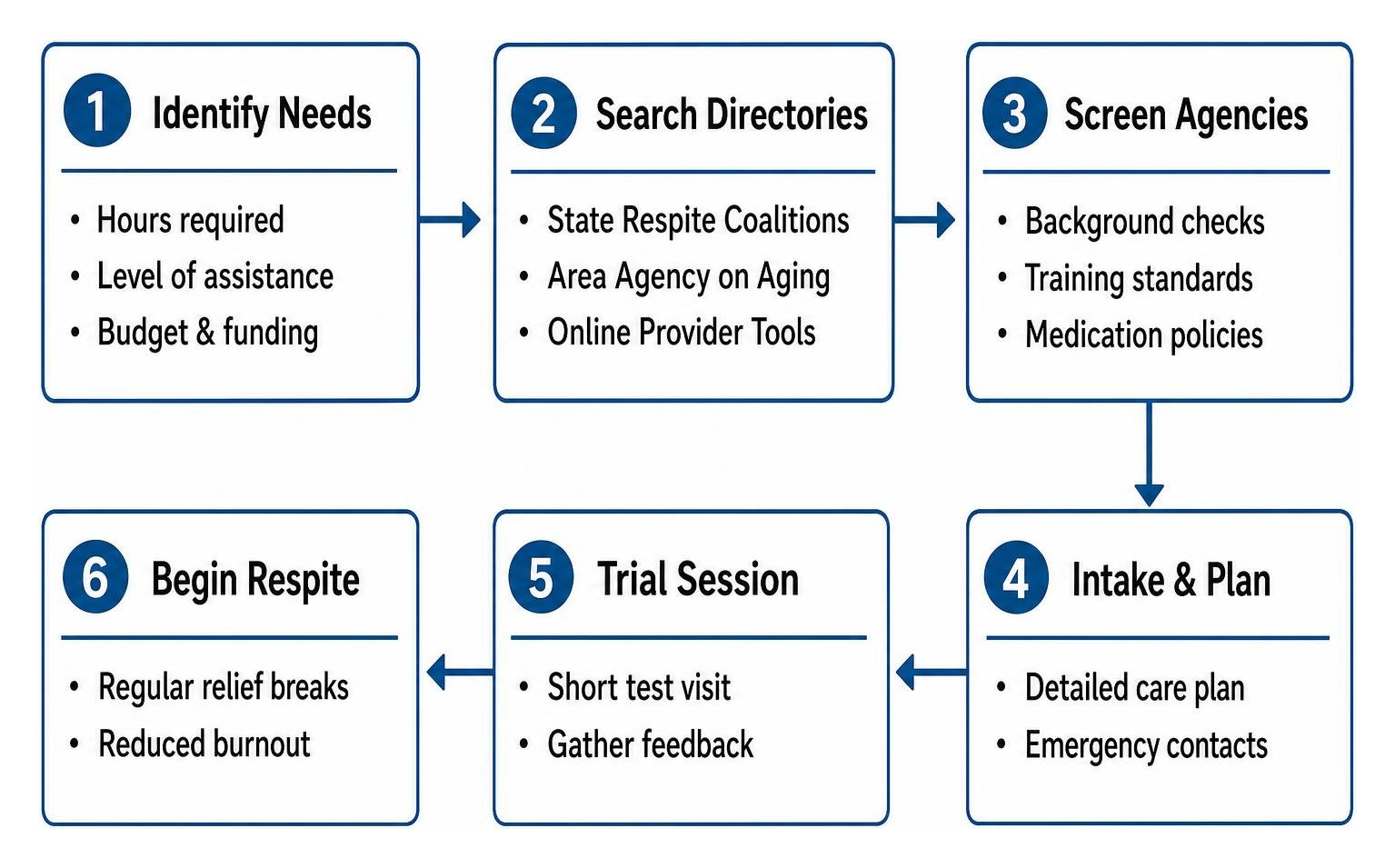
Locating a dependable respite provider in your neighborhood requires a systematic approach. By combining public advocacy resources with accredited directories, you can identify agencies that match your family's budget, scheduling requirements, and specialized medical needs.

Utilizing State Coalitions and Aging and Disability Resource Centers
State-level coalitions and publicly funded agencies are the most dependable starting points for local referrals:
- Area Agencies on Aging (AAA): Established under the Older Americans Act, local AAAs offer free guidance, assess community needs, and connect families with local caregiver support programs. They can help identify subsidized relief options and local senior programs.
- Aging and Disability Resource Centers (ADRC): ADRCs serve as single points of entry for long-term services and support, helping individuals across all income levels navigate both private and public care programs.
- State Respite Coalitions: Most states maintain organized respite coalitions and Lifespan Respite Programs. For instance, the Arizona Caregiver Coalition operates a dedicated caregiver resource line (888-737-7494) to match families with available relief programs. Similarly, programs like California Caregiver Resource Centers, Take Time Texas, and the New York State Respite Registry offer searchable regional directories categorized by county, condition, and service type.
Using Online Directories to Find a Respite Care Agency Near Me
Online locator systems streamline your regional search. When researching potential providers, keep these reliable platforms in mind:
- The National Respite Locator Service (NRLS): Coordinated through the ARCH National Respite Network, this directory helps family caregivers locate community-based agencies, in-home care teams, and residential communities throughout the United States. While the network does not provide direct care itself, it links users directly to verified state coalitions and regional programs.
- Provider Registries & Eldercare Locators: Government-sponsored tools such as the federal Eldercare Locator connect callers directly with local community resources by ZIP code.
- Important Directory Terms and Disclaimers: Most public locator services function as neutral clearinghouses. They list licensed and registered agencies but do not personally endorse, inspect, or guarantee individual staff members. It is always the family's responsibility to confirm state licensing, run background checks, and conduct direct interviews before arranging care.
How to Vet and Select Qualified Care Providers
Once you have identified potential agencies or residential communities, the next step is conducting a thorough evaluation. Choosing the right organization ensures that your loved one receives consistent, dignified care and gives you complete peace of mind while stepping away.
Essential Questions Before Hiring a Respite Care Agency Near Me
Before finalizing an agreement, schedule an intake consultation and ask the provider these vital questions:
- Licensing and Background Screening: Are your caregivers directly employed, bonded, and insured? What background checks (criminal history, driving record, drug screening) are conducted prior to placement?
- Specialized Memory Care Training: If caring for an individual with dementia, what specific training does the team receive in de-escalation, redirection, and managing behavioral expressions?
- Medication Administration: How are daily medications handled? Are staff members certified to administer prescriptions, or are they limited to non-medical verbal reminders?
- Custom Care Plans: Do you create an individualized, written service plan that accommodates dietary requirements, physical limitations, personal daily routines, and social preferences?
- Minimum Hour and Scheduling Flexibility: Is there a minimum hourly commitment per visit or per week? What is the cancellation policy, and how are replacement caregivers assigned if a regular staff member is unavailable?
Planning in Advance for Crisis and Emergency Respite Care
Emergencies happen—whether a family caregiver faces a sudden medical issue, severe illness, or urgent personal travel. Planning for unexpected relief ahead of time prevents hasty decisions during a crisis:
- Pre-Register with Local Providers: Complete initial intake paperwork with a preferred residential respite community or home-care provider in advance so your loved one is already approved in their system.
- Document Care Instructions: Maintain an updated "care binder" containing medication lists, physician contact numbers, baseline functional routines, dietary restrictions, and emergency contact details.
- Verify Medical Capabilities: Ensure your designated emergency provider has documented procedures for managing unexpected behavioral changes or complex chronic conditions.
- Keep 24-Hour Hotlines Handy: Keep regional community resource numbers and 24-hour crisis lines accessible for rapid placement guidance.
Paying for Respite Services: Funding Options and Assistance
Understanding the financial avenues available for short-term care can significantly offset out-of-pocket expenses. Multiple public and private programs offer financial support for respite care:
- Medicaid Home and Community-Based Services (HCBS) Waivers: In many states, Medicaid HCBS waivers provide funding specifically allocated for in-home respite or short-term facility stays for individuals who meet financial and functional eligibility standards.
- State Lifespan Respite Vouchers: Many state respite coalitions distribute grant-funded vouchers. These provide family caregivers with flexible funds that can be applied toward licensed agencies, adult day centers, or approved independent respite providers.
- National Family Caregiver Support Program (OAA Title III-E): Administered via local Area Agencies on Aging, this federal program provides funding for temporary respite to caregivers supporting adults aged 60+ or individuals living with dementia.
- Long-Term Care Insurance: If your loved one holds a private long-term care insurance policy, check its terms; many policies include an explicit short-term respite benefit.
- Private Pay: Many families choose private self-pay arrangements for immediate access, complete flexibility over scheduling, and personalized selection of senior living accommodations.
Specialized Resources for Veterans and Military Caregivers
Veterans and their family caregivers have access to dedicated programs that provide structured respite relief:
- VA Caregiver Support Program: The Department of Veterans Affairs offers up to 30 days of respite care per calendar year for eligible veterans enrolled in VA healthcare. This care can be delivered in a private residence, an adult day health center, or a VA-contracted community living facility. Caregivers can contact the VA Caregiver Support Line directly at 1-855-260-3274.
- VA Aid and Attendance Benefit: This enhanced monthly pension benefit can be used toward in-home assistance, assisted living, and short-term respite care for qualifying wartime veterans and surviving spouses.
- Military OneSource: Active-duty families and wounded service member caregivers can access relief options, specialized child and adult care resources, and counseling by contacting Military OneSource at 800-342-9647.
Frequently Asked Questions About Local Respite Care
How much does respite care typically cost per hour or day?
Rates vary depending on geographic location, setting, and the level of care required:
- In-Home Respite: Typically billed on an hourly basis, generally ranging between $28 and $45 per hour, often with a 3- to 4-hour visit minimum.
- Adult Day Programs: Usually charged as a half-day or full-day flat rate, averaging between $80 and $150 per day, including lunch and group activities.
- Residential Respite Stays: Senior living and memory care communities usually charge a comprehensive daily rate, often between $175 and $350 per day, which covers 24-hour staffing, private furnished living quarters, three daily meals, and full access to community events.
State voucher programs, VA benefits, or Medicaid waivers can often cover or offset these expenses.
How quickly can emergency respite care be arranged?
If an agency or senior living community already has your loved one's health history and physician orders on file, emergency care can often be initiated within 24 to 48 hours. However, unplanned first-time placements may take longer due to required state-mandated health assessments and safety screenings. Pre-registering with local providers ensures you are prepared for rapid intake whenever an urgent need arises.
What is the difference between medical and non-medical respite care?
- Non-Medical Respite Care: Focuses on companion care, supervision, assistance with daily activities (bathing, dressing, grooming, eating), housekeeping, and meal preparation. This care is provided by trained personal care aides or residential care assistants.
- Medical (Skilled) Respite Care: Delivered by licensed nurses (RNs/LVNs) or certified physical therapists. It encompasses clinical healthcare tasks such as sterile wound care, IV therapy administration, catheter maintenance, and complex medication management.
Conclusion
Caring for an aging family member is deeply rewarding, but maintaining your own physical and emotional health is essential to being a compassionate, effective caregiver. Scheduling regular respite care is not a sign of giving up—it is a proactive step that protects your wellbeing and enriches your loved one's daily life through positive social interactions and professional support.
Whether you need a brief afternoon break to manage errands or a multi-week residential stay during personal travel, taking time to research local resources ensures your family is supported at every step. At La Posada Assisted Living & Memory Care, we take pride in offering compassionate, family-owned, and community-centered respite care in Whittier, providing 24-hour personalized attention in a warm, welcoming neighborhood environment. Reach out to our local team today to learn how our individualized respite stays can bring dependable relief to your caregiving journey.