

Social Engagement for Seniors Starts With Meaningful Connection
Social engagement for seniors means spending time with others in ways that feel worthwhile. A good place to start is one regular activity your parent enjoys, such as a shared meal, walking group, art class, or visit with family. If getting out is hard, try phone or video calls and ask a local Area Agency on Aging about nearby programs and transportation options.
Staying connected is linked to better mental and physical health. For an older adult who needs daily care, the best activity is one that fits their abilities and gives them a welcome reason to take part.
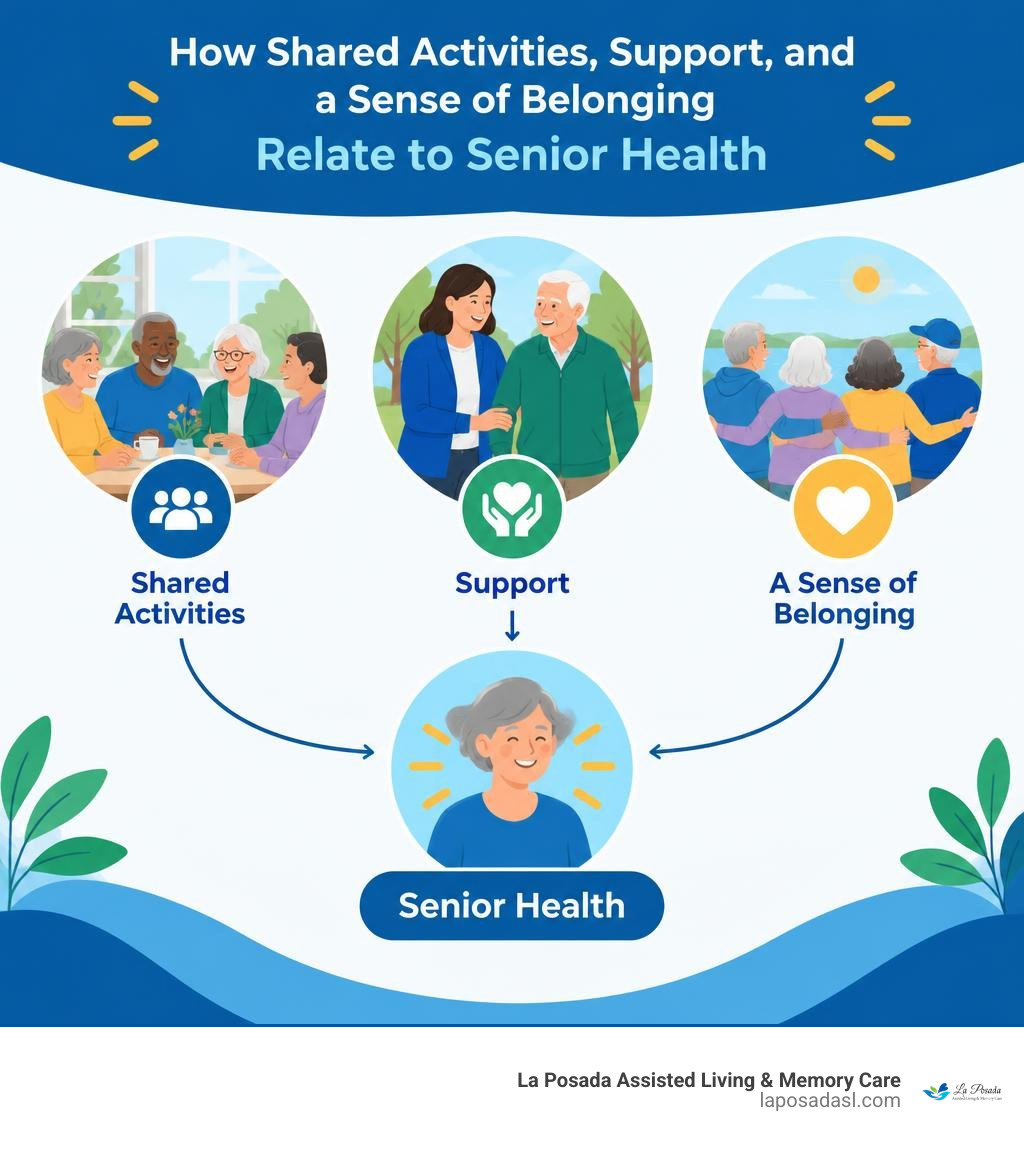
Understanding Social Engagement for Seniors: Definitions and Key Differences
Navigating senior wellness often involves terms like social participation, social networks, and social support. While they sound similar, researchers and clinicians view them as distinct pieces of a larger puzzle (Bath & Deeg, 2005). Understanding how these dimensions interact helps families create realistic, fulfilling routines that actually enrich daily life.
To make meaningful changes, it helps to review practical strategies like the tips for staying connected from the National Institute on Aging.
| Concept | Primary Definition | Practical Examples | Primary Health Contribution |
|---|---|---|---|
| Social Participation | Active involvement in community-oriented, collective, or recreational activities (Dehi & Mohammadi, 2020). | Book clubs, gardening groups, choir practice, volunteer work. | Fosters self-worth, cognitive vitality, and physical mobility. |
| Social Networks | The web of structural ties surrounding an individual, including size and contact frequency. | Number of close relatives, friends, and regular acquaintances. | Provides a buffer against environmental isolation and life stress. |
| Social Support | The emotional, informational, or tangible assistance exchanged between individuals. | Rides to doctor appointments, empathetic phone calls, meal sharing. | Reduces anxiety, aids illness recovery, and lowers depression risk. |
Defining Social Engagement for Seniors and Its Core Attributes
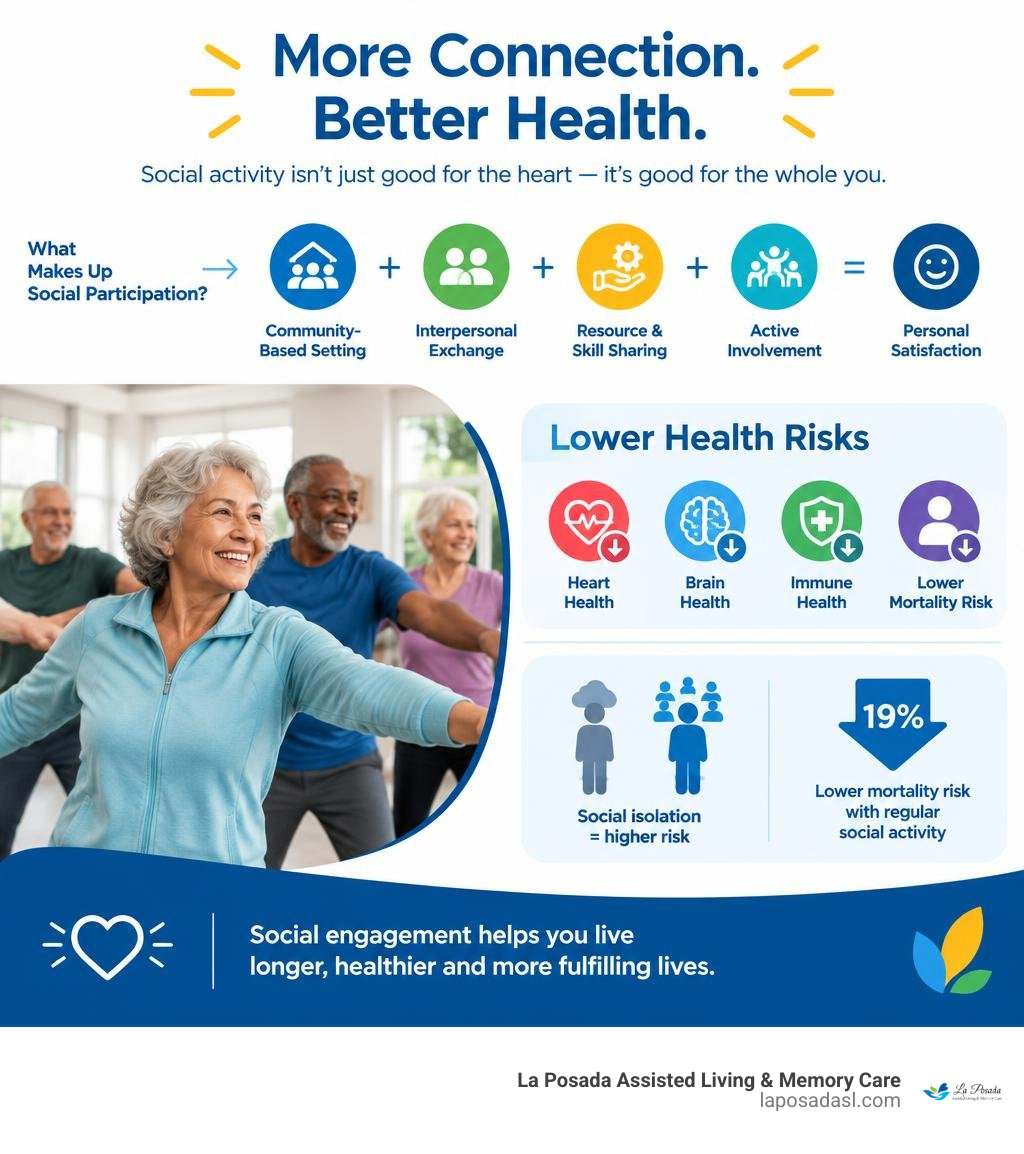
In academic literature, social participation contains five core attributes: community-based activities, interpersonal interactions, resource sharing, active participation, and individual satisfaction (Dehi & Mohammadi, 2020). It is not enough for someone to simply sit in a crowded room; real engagement requires exchange and personal fulfillment.
Researchers generally classify this involvement into three main types:
- Collective participation: Joining together for social or recreational goals, such as community dinners, walking clubs, or hobby circles (Dehi & Mohammadi, 2020).
- Productive participation: Sharing skills and knowledge through volunteering, mentoring, or community advisory roles (Dehi & Mohammadi, 2020).
- Political engagement: Contributing to civic discussions, resident councils, or advocacy groups to shape local decisions (Dehi & Mohammadi, 2020).
Social Participation vs. Social Support and Networks
A senior can have a large structural network—such as multiple adult children and dozens of distant acquaintances—yet still experience profound emotional isolation if those ties lack warmth or regular contact. Conversely, an older adult with a modest circle of two or three close friends might enjoy rich daily interaction and strong emotional support.
While social networks measure structural reach and social support measures received assistance, active participation represents the actual act of doing and sharing (Bath & Deeg, 2005). These elements create a healthy reciprocal cycle: strong personal networks open doors to group activities, and community participation continuously enriches those relational networks (Bath & Deeg, 2005).
Health and Economic Impacts of Staying Connected

Staying active in a community is a powerful lifestyle contributor to long-term health. Decades of epidemiologic data show that sustained human interaction protects our cardiovascular, neurological, and immune systems (Bath & Deeg, 2005).
When older adults lack these connections, public health systems also bear the cost. In the United States, lack of social contacts among older adults accounts for an estimated $6.7 billion in additional Medicare spending each year, matching expenditures for several major chronic illnesses. Organizations nationwide outline these risks in resources like this guide on expanding social circles to prevent loneliness.
Mortality Risk: Comparing Isolation to Smoking and Obesity
The physiological impact of chronic isolation is striking. Socially isolated older adults face a 29 percent higher risk of early mortality, placing isolation on par with well-known risk factors like cigarette smoking, physical inactivity, and severe air pollution.
Longitudinal health data highlights several clear survival patterns:
- Among individuals aged 70 and older, those with the lowest social network index scores face a 50 percent higher risk of mortality compared to peers with the highest scores (Bath & Deeg, 2005).
- Adults in the highest quartile of regular social activities demonstrate an 19 percent reduction in overall mortality risk compared to those in the lowest quartile (Bath & Deeg, 2005).
- For older men, occupying the bottom tiers of social connectivity increases the odds of both all-cause mortality and cardiovascular mortality by 54 percent (Bath & Deeg, 2005).
Cognitive, Mental, and Physiological Benefits
Why does simple conversation protect physical health? When humans experience ongoing loneliness, the nervous system interprets isolation as a chronic threat. This triggers sustained release of stress hormones like cortisol, elevating systemic blood pressure, suppressing immune defenses, and accelerating cellular inflammation (Bath & Deeg, 2005).
Meaningful social activities help calm these stress responses, supporting the body in several ways:
- Neuroendocrine regulation: Pleasant group activities lower baseline cortisol, helping stabilize blood pressure and reduce cardiovascular strain (Bath & Deeg, 2005).
- Immune function: Group cultural, educational, and creative pursuits stimulate cellular immunity, lowering infection susceptibility (Bath & Deeg, 2005).
- Cognitive preservation: Social interaction challenges working memory, vocabulary, and executive processing, building cognitive reserve that helps delay symptoms of dementia (Dehi & Mohammadi, 2020).
- Mood enhancement: Group participation stimulates dopamine and oxytocin production, providing natural relief from depressive symptoms and everyday anxiety.
Overcoming Barriers and Types of Social Activities

Finding the right social outlet requires balancing personal interests with physical comfort. While some seniors thrive in lively volunteer programs, others prefer small, quiet craft circles or gentle exercise groups.
When community centers and local organizations develop accessible programs, older adults gain opportunities to connect without feeling overwhelmed.
Practical Types of Social Engagement for Seniors
Maintaining a rich social routine does not require an exhausting schedule. Participating in one or two engaging activities each week can build lasting friendships and provide a renewed sense of purpose:
- Creative arts and music groups: Collaborative painting, choir ensembles, and community crafting classes offer shared goals and natural conversation starters.
- Intergenerational mentoring: Connecting seniors with local students for reading sessions or life-story sharing benefits both generations.
- Low-impact movement clubs: Walking groups, chair yoga classes, and water aerobics combine cardiovascular health benefits with lighthearted social time.
- Structured discussion groups: Book clubs, history roundtables, and current-event meetups encourage lively intellectual exchange and active listening.
- Volunteer projects: Assembling care packages, tending community gardens, or helping at animal shelters provides rewarding, productive roles (Dehi & Mohammadi, 2020).
Navigating Physical, Sensory, and Transportation Barriers
Staying active becomes harder when health or logistics get in the way. Over time, physical limitations, driving cessation, and sensory changes can make socializing feel daunting.
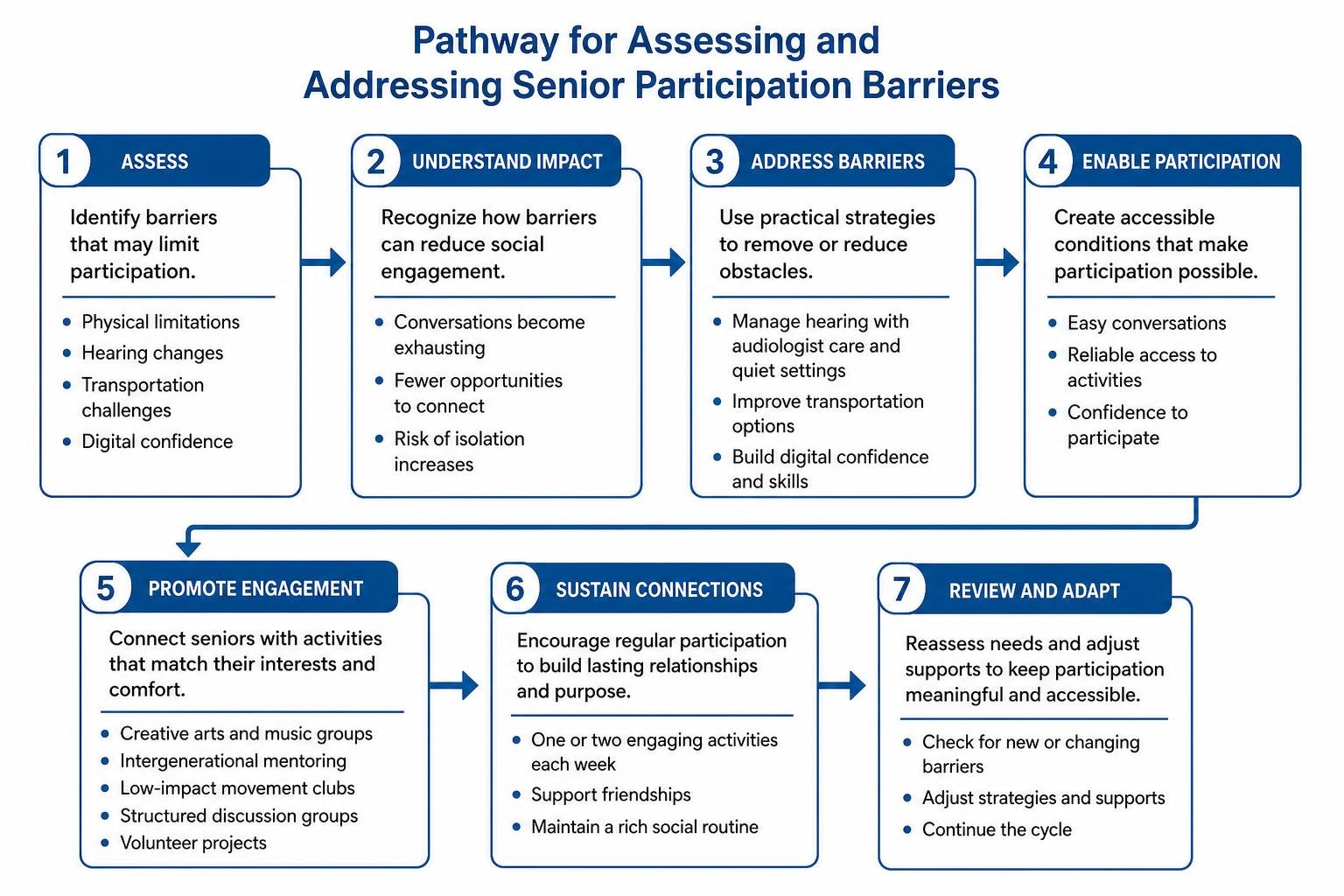
Families can address these common hurdles with a few thoughtful adjustments:
- Managing hearing changes: Untreated hearing loss makes conversations in busy rooms exhausting, often leading seniors to quietly withdraw. Regular audiologist visits, well-calibrated hearing aids, and gathering in quiet rooms make conversations easy and enjoyable again.
- Solving transportation challenges: Giving up a driver's license can abruptly shrink a senior's world. Families can look into local paratransit, municipal senior shuttles, and community volunteer-driver programs to restore independence. Helpful strategies for navigating these changes are covered in this practical guidance for overcoming loneliness.
- Building digital confidence: For homebound individuals, user-friendly video tablets, simplified email interfaces, and senior-focused tech classes open doors to virtual clubs and distant family.
- Managing mobility limitations: Choosing accessible venues with level entrances, elevators, and supportive seating ensures outings remain comfortable rather than tiring.
Community and Family Roles in Fostering Senior Connections
Strong social ties rely on a supportive network of family, neighbors, and local organizations. By building supportive environments at home and in our neighborhoods, we can ensure every older adult feels included and valued.
For families caring for loved ones with memory challenges or chronic conditions, comprehensive resources like this National Institute on Aging guide on social isolation and loneliness provide helpful roadmaps for staying connected.
Leveraging Area Agencies on Aging and Local Networks
Area Agencies on Aging (AAAs) serve as essential community hubs for older adults. In fact, 98 percent of AAAs offer structured programs specifically designed to reduce isolation and foster community ties.
These agencies coordinate a wide variety of local services, including:
- Congregate meal sites: Community dining rooms that pair balanced nutrition with daily friendship and lively lunchtime conversation.
- Caregiver respite and support: Specialized day programs and support circles that give family caregivers breathing room while offering loved ones structured social time.
- Memory cafés and wellness programs: Welcoming, low-stress social gatherings designed specifically for individuals navigating early-to-mid stage cognitive changes and their care partners.
- Senior technology workshops: Hands-on classes that walk older adults through smartphones, tablets, and video calls step by step.
Research Gaps in Senior Social Connectivity
While the link between social life and physical health is well established, researchers continue to explore several important questions (Bath & Deeg, 2005):
- Causal pathways: Distinguishing how much social participation directly improves physical health versus how much baseline good health enables social participation (Bath & Deeg, 2005).
- Digital effectiveness: Evaluating whether virtual interactions offer the same neuroendocrine and cardiovascular benefits as face-to-face gatherings.
- Program personalization: Identifying which specific types of activities best support individuals facing varied challenges, such as cognitive impairment or sensory loss.
- Demographic diversity: Exploring how cultural traditions and local communities shape social preferences across diverse populations (Dehi & Mohammadi, 2020).
Frequently Asked Questions About Senior Social Engagement
What are the earliest warning signs of social isolation in older adults?
Early signs of isolation often appear gradually. You might notice subtle behavioral changes, such as leaving phone messages unanswered, skipping longtime hobbies, or letting household chores and personal grooming slide. Other common indicators include changes in appetite, disrupted sleep patterns, or a lingering sense of sadness. Spotting these small clues early allows families to step in with gentle support before health begins to decline.
How can homebound seniors maintain meaningful social connections?
Older adults with mobility challenges can stay connected through several engaging, accessible avenues. Regular telephone check-ins from community volunteers, pen-pal letters, and virtual book clubs offer warm touchpoints throughout the week. Adaptive tablets with simple, one-touch video calling also allow homebound seniors to share everyday moments with children, grandchildren, and lifelong friends.
How does hearing loss specifically contribute to social withdrawal?
When someone experiences untreated hearing loss, keeping up with conversations in busy environments requires intense mental effort. This extra strain quickly leads to auditory fatigue, embarrassment over missed words, and social anxiety. Over time, many seniors find it easier to simply stay home. Scheduling regular hearing checkups, fitting modern hearing aids, and choosing quiet gathering spots helps restore conversational ease and social confidence.
Conclusion
Social wellness is a cornerstone of healthy aging. Staying active in a community supports emotional balance, sharpens cognitive focus, and protects cardiovascular health through every season of life. Whether by joining a neighborhood walking club, learning a new creative hobby, or sharing a warm meal with close friends, meaningful social connections make later years vibrant and fulfilling.
At La Posada Assisted Living & Memory Care, our family-owned community in Whittier, California, believes wholehearted connection is central to living well. Through 24-hour personalized support, dedicated memory care, and holistic activities designed for body, mind, and spirit, we provide a warm, engaging environment where every resident feels valued and at home.
References
Bath PA, Deeg D. "Social engagement and health outcomes among older people: introduction to a special section.." European journal of ageing, 2005. PMCID PMC5547666. Dehi Aroogh M, Mohammadi Shahboulaghi F. "Social Participation of Older Adults: A Concept Analysis.." International journal of community based nursing and midwifery, 2020. PMCID PMC6969951.